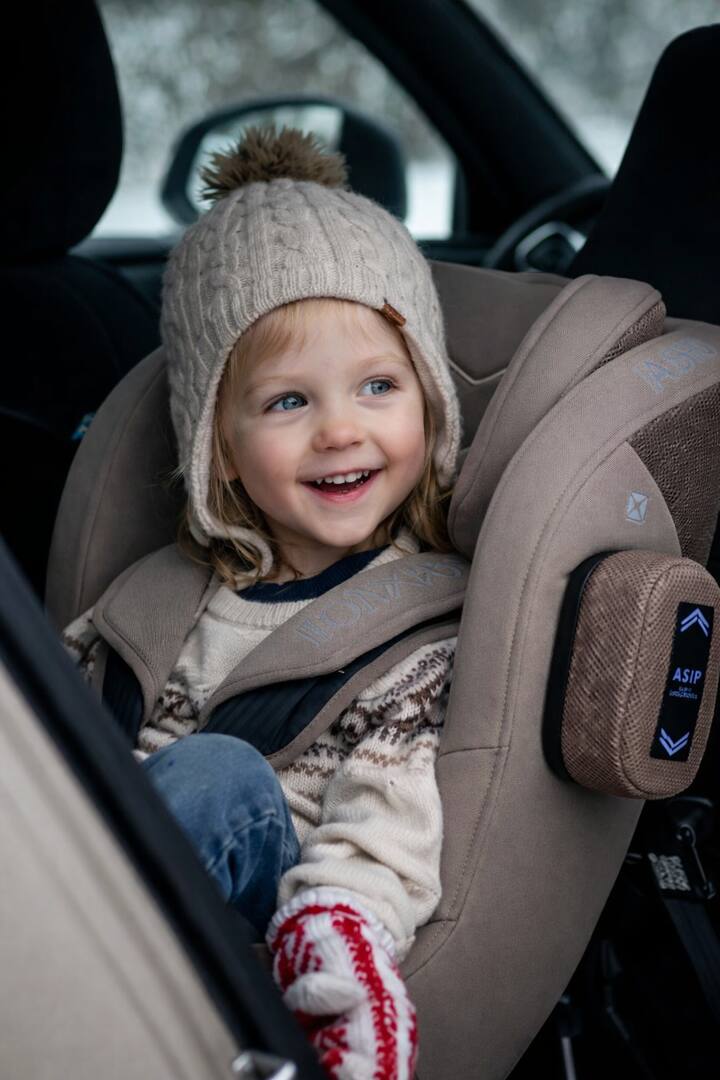
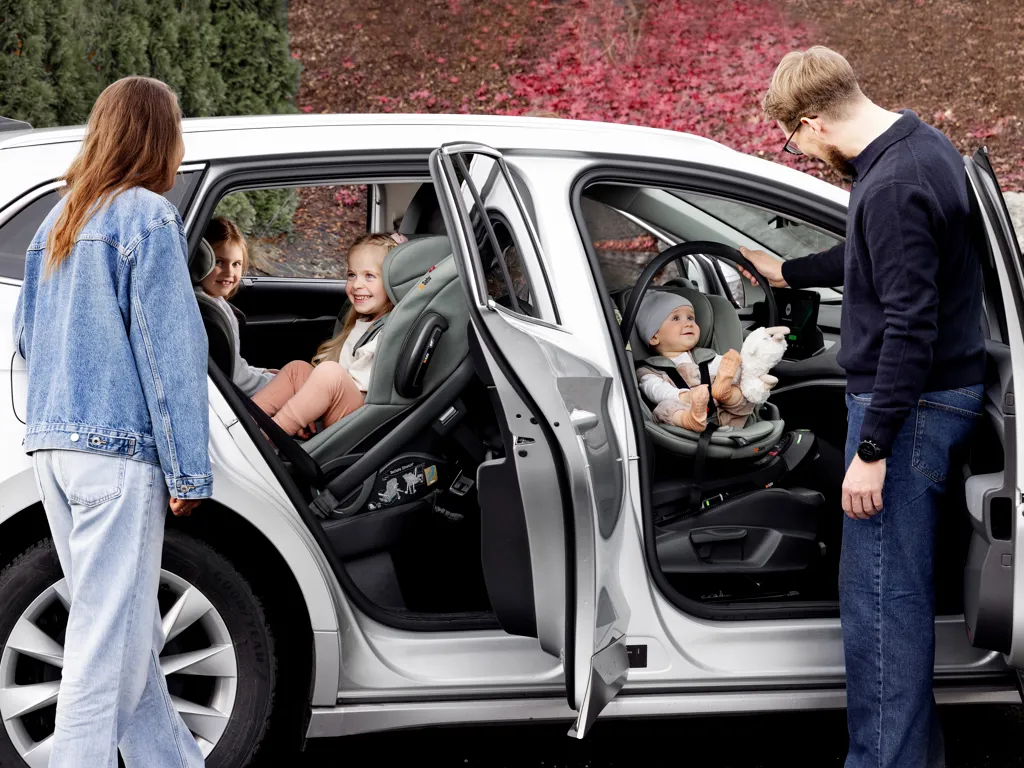
If you've just bought a rear-facing car seat — or you're thinking about it — one of the first questions that comes up is: where exactly should it go in the car?
It sounds straightforward, but rear car seat placement is one of those topics where well-meaning advice can vary wildly. You might have heard that the middle seat is always safest, or that the passenger seat is fine if the airbag is off, or that it doesn't really matter as long as it's installed correctly.
Some of those things are partially true. Some aren't. Let's work through what the evidence actually says, what UK law requires, and what we'd recommend as a specialist retailer that fits seats every week.
Which Seat in the Car Is Safest?
The honest answer is that the safest seat in the car is the one where the car seat can be correctly installed and where your child will actually be comfortable — because a properly fitted seat in a "less ideal" position is always safer than a poorly fitted seat in the "optimal" position.
That said, there is general guidance on rear car seat placement worth understanding.
The Middle Rear Seat
The centre rear seat is often cited as offering good protection in certain collision types, as it puts the most distance between your child and the doors on either side. This can be a relevant consideration when thinking about overall positioning.
However, the middle seat isn't always the best choice in practice:
- Many cars have a raised central hump that makes installation awkward or impossible
- Not all middle seats have a proper three-point seatbelt — always check your vehicle handbook, as a child car seat must only be used where a suitable belt configuration is available for that seat
- ISOFIX anchor points are not present in every seating position — always check your vehicle handbook to confirm which seats are equipped
- Fitting a rear-facing seat centrally can sometimes mean it's harder to reach and fasten your child
If your middle seat has a full three-point belt and the seat fits securely there — brilliant. If not, don't force it.
The Rear Passenger-Side Seat
The rear seat behind the front passenger is often considered a practical and popular choice. It makes sense practically: you can load your child from the pavement rather than the road side, and in many cars this is a position where ISOFIX anchors are present.
This is where the majority of parents position their rear-facing seat, and for good reason. It works well, it's accessible, and most extended rear-facing car seats are designed with this position in mind.
The Rear Driver's-Side Seat
Perfectly acceptable in many cars, though you'll be loading your child from the road side — which some parents find less convenient and slightly less safe from a traffic perspective. If your car's layout or ISOFIX positioning makes this the better fit, it's a fine choice.
Can You Put a Rear-Facing Seat in the Front?
Yes — but only under specific conditions.
It is a well-established safety requirement that a rear-facing child car seat must never be used in a seat position where an active frontal airbag is present, as an airbag deploying in proximity to a rear-facing seat poses a serious risk of injury. Always check your vehicle handbook and, if necessary, seek written confirmation from your vehicle manufacturer regarding airbag status before placing a rear-facing seat in the front.
If you do want to use the front passenger seat:
- The airbag must be deactivated — either via a physical switch or confirmed as permanently disabled
- You should ideally have written confirmation from your vehicle manufacturer that the airbag is off
- The seat must be moved as far back as possible
Safety note: Even with the airbag off, many manufacturers and safety organisations advise against routine front placement for rear-facing seats. The rear of the car remains the better option in almost all circumstances.
ISOFIX vs Seatbelt — Does Placement Change Anything?
It can, yes. ISOFIX anchors are found in specific seating positions that vary by vehicle — always check your vehicle handbook to confirm which seats have ISOFIX points, as not every seat in every car will be equipped.
If your chosen seat uses ISOFIX (as most modern rear-facing car seats do), placement is partly determined by where those anchors are.
Seats installed with a seatbelt only — such as some newborn seats or certain belt-only models — have slightly more flexibility in placement, but you're still bound by the same general rules: rear preferred, no active airbags.
For seats that use a top tether (a feature found on a number of rear-facing designs), you'll also need to confirm your car has a compatible tether anchor point. Not every car does, and this can affect which position works. If you're deciding between rear-facing brands that use different installation systems, our Axkid vs BeSafe comparison covers how each approach handles tethering and ISOFIX in practice. You can read more about testing standards for rear-facing seats in our guide to the Swedish Plus Test.
Practical Tips for Getting Rear Car Seat Placement Right
Getting the position right is only part of the picture. Here's what we see day-to-day at our fitting appointments in Somerset:
-
Read your vehicle handbook first. It will tell you which seats have ISOFIX, whether tether anchors are present, and whether any airbag deactivation is possible.
-
Check the seat's installation guide for your specific car. Many manufacturers publish vehicle compatibility information to help with this. If in doubt, ask us.
-
Don't angle the seat to fit — fit to the angle required. Rear-facing seats need to be reclined to the manufacturer's specified angle. Forcing a different angle to make it "fit better" in a particular position is a common and dangerous mistake.
-
Make sure your child isn't too close to the seat in front. There should ideally be a small gap, or the front seat can be adjusted forward. Rear-facing seats can often get closer to the front seat than people expect — the child's legs will simply rest against or over the seatback, which is fine.
-
Book a fitting if you're unsure. We offer car seat fitting appointments in Somerset and can check installation in your actual vehicle. It takes about 20–30 minutes and gives you proper peace of mind.
Expert tip: The best rear car seat placement is always the one that results in a firm, stable, correctly angled installation — with your child securely harnessed. Position is a factor, but correct installation matters more.
A Note on Rear-Facing Specifically
If you're using an extended rear-facing seat — which we'd always recommend keeping children in for as long as the seat allows and the child remains within the height and weight limits — the placement considerations above all apply equally.
There is a well-established body of research and testing supporting the safety benefits of rear-facing travel for children, particularly in frontal collisions. If you're weighing up whether to stay rear-facing beyond toddlerhood, our guide on how much safer rear-facing is after age 2 is worth a read. Independent testing standards for rear-facing seats, such as the Swedish Plus Test, can also be a useful reference point when comparing seats.
The good news is that most modern cars accommodate extended rear-facing seats in at least one rear seating position without major difficulty. If you're struggling to make a seat fit in your car, it's worth speaking to a specialist before giving up — sometimes a different seat model is a better match for your vehicle, rather than the other way around. Our Axkid Movekid review is a good example of how seat dimensions and installation systems can vary, which may help if you're trying to find a model that works in a tighter space. Our guide to the best rear-facing car seats for small cars may also help if space is a particular concern.
If you're currently using or considering an Axkid seat and want a deeper understanding of how their range works, our guide to the Axkid Minikid 4 walks through the key features and installation in detail — useful context when thinking about placement requirements for that seat in your car.
For families with more than one child, it's also worth considering how two rear-facing seats can be accommodated side by side. Our Tinyseats Two review looks at a seat designed with exactly that challenge in mind, which may be relevant if you're planning around multiple seating positions.
Browse our full range of extended rear-facing car seats or get in touch if you'd like advice on what works in your specific car.
Got a question about rear car seat placement in your vehicle? Drop us a message — we're always happy to help.